Development cooperation studies
Finnish Red Cross strives to improve and learn how best to support its partners in the most challenging contexts. In its advocacy work, it aims to bring advice to policy makers that is based on evidence and experience.
The Finnish Red Cross International Knowledge Development and Advocacy Unit produces policy papers and briefs, case studies, and syntheses. The purpose of these knowledge products is to present the experiences and lessons learned from its work and to broaden understanding of successful programme practices across international aid. These products highlight key findings and make recommendations for similar programmes, for the relevant sector, or for policy and decision makers.
Policy papers
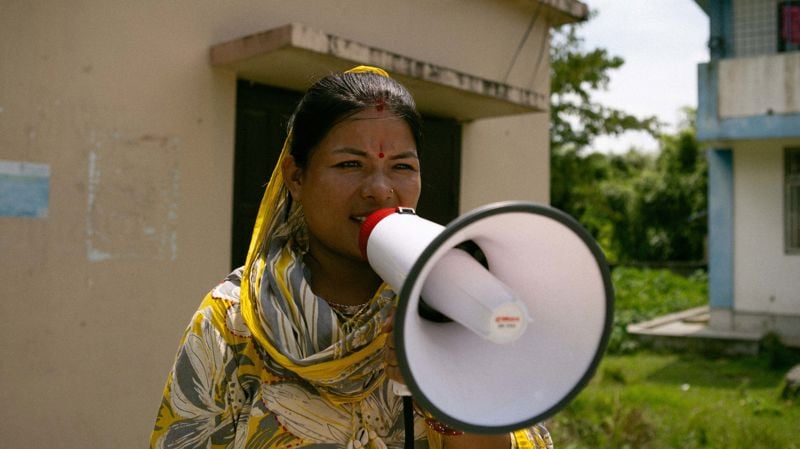
The policy paper focuses on making early warning and early action more inclusive, with a specific focus on persons with disabilities and women in Eastern Nepal. In this policy paper, the Red Cross shows how effectiveness in disaster preparedness depends on the meaningful participation of groups in the most vulnerable situations and aims to deepen knowledge about inclusive early warning and early action for all stakeholders involved in community resilience, preparedness, and early warning systems.
Policy Paper How to ensure inclusive early warning early action 2025.pdf
Summary (in Finnish)
Tiivistelmä Inklusiiviset ennakkovaroitusjärjestelmät Nepal.pdf
In 2022, the Finnish Red Cross started a new project with the Kenya Red Cross Society, the Rwanda Red Cross and the Tanzania Red Cross Society focusing on the information flow between meteorological and disaster management agencies and local communities to enable early action. As a foundation for the project, the Finnish Red Cross commissioned four case studies to understand how people perceive hazards and how early warning systems can be improved from the local perspective in the target areas in Kenya, Rwanda and Tanzania. This policy paper draws from these studies, and presents findings and recommendations that can be useful for actors working to ensure that early warning systems are people-centred and warnings lead to life-saving action.
Policy paper Why early warnings are not leading to early action 2024.pdf
Case studies
Zimbabwe Red Cross Society (ZRCS) responded to a major cholera outbreak concentrating in the capital Harare in 2023-2024. ZRCS launched a comprehensive urban response using RC-CATI (Red Cross - Case Area Targeted Interventions). This locally led epidemic response achieved early case detection, broke transmission chains, and established effective community-based treatment through Oral Rehydration Points. Water Management Committees and trusted local volunteers enhanced sustainability and collaboration with national health authorities ensured integrated response. Building on this success, ZRCS subsequently developed a simplified Early Action Protocol (sEAP) for cholera to enable even faster future responses through anticipatory action.
Afghanistan Red Crescent shows how women and girls can drive lasting health improvements by leveraging existing social structures and trusted relationships. Community based networks like grandmothers’ committees utilize women’s leadership, knowledge, and skills. Health resilience is strengthened even when formal systems are strained, and external support is uncertain.
The Ethiopia Red Cross Society involves the communities in conversation about female genital mutilation or cutting. They use open discussion, media, drama, and radio programs to change the mind-set on this harmful traditional practice.
Transforming healthcare worker attitudes toward adolescent sexual and reproductive health and rights requires more than simply providing technical information – it demands a deliberate process of self – reflection and values clarification. The Values Clarification and Attitude Transformation training creates space for healthcare workers to examine their personal values and recognize their biases for better adolescent services.
Climate and health assessment in Nepal examines the latest information on the impacts of climate change on health. The Red Cross Climate Centre, together with the Nepal Red Cross Society, collaborated with the Finnish Red Cross and the International Federation of Red Cross and Red Crescent Societies conducted the report. The brief version contains the results of the assessments and recommendations for national and international actors. The longer report provides more in-depth analyses and recommendations for the national societies' program work, advocacy, and humanitarian diplomacy.
In Niger limited literacy, restrictive gender norms, and poor infrastructure keep women economically vulnerable and increase maternal health risks. This case study shows how maternal health improvements can be effectively reached through economic empowerment, women’s self-determination and cultural sensitivity.
Climate and health assessment in Myanmar examines the latest information on the impacts of climate change on health. The Red Cross Climate Centre, together with the Myanmar Red Cross Society, collaborated with the Finnish Red Cross and the International Federation of Red Cross and Red Crescent Societies conducted the report. The brief version contains the results of the assessments and recommendations for national and international actors. The longer report provides more in-depth analyses and recommendations for the national societies' program work, advocacy, and humanitarian diplomacy.
An integrated project in Sierra Leone managed to address maternal health through economic empowerment through the establishment of obstetric emergency funds and Village Savings and Loan Associations. Due to the strong community ownership these financial systems will continue after the project's conclusion.
Fact sheets
Heat kills more people than any other climate hazard. Governments, donors and communities are asked to act now to address heat as health emergency.