Combating racism builds a safer society for all
Safety expert Ari Evwaraye calls racism a vicious problem because it is self-reinforcing. The cycle of fear and discrimination is broken when people from different backgrounds come together and question their prejudices.
“Traditionally, safety has been seen as the absence of threats. If we don’t face accidents or danger, we’re safe. However, we can also look at it from a rights perspective: whether our rights to things such as physical integrity, freedom of conscience and freedom of religion are realised, or whether we feel safe enough to move about freely,” Ari Evwaraye sums up.
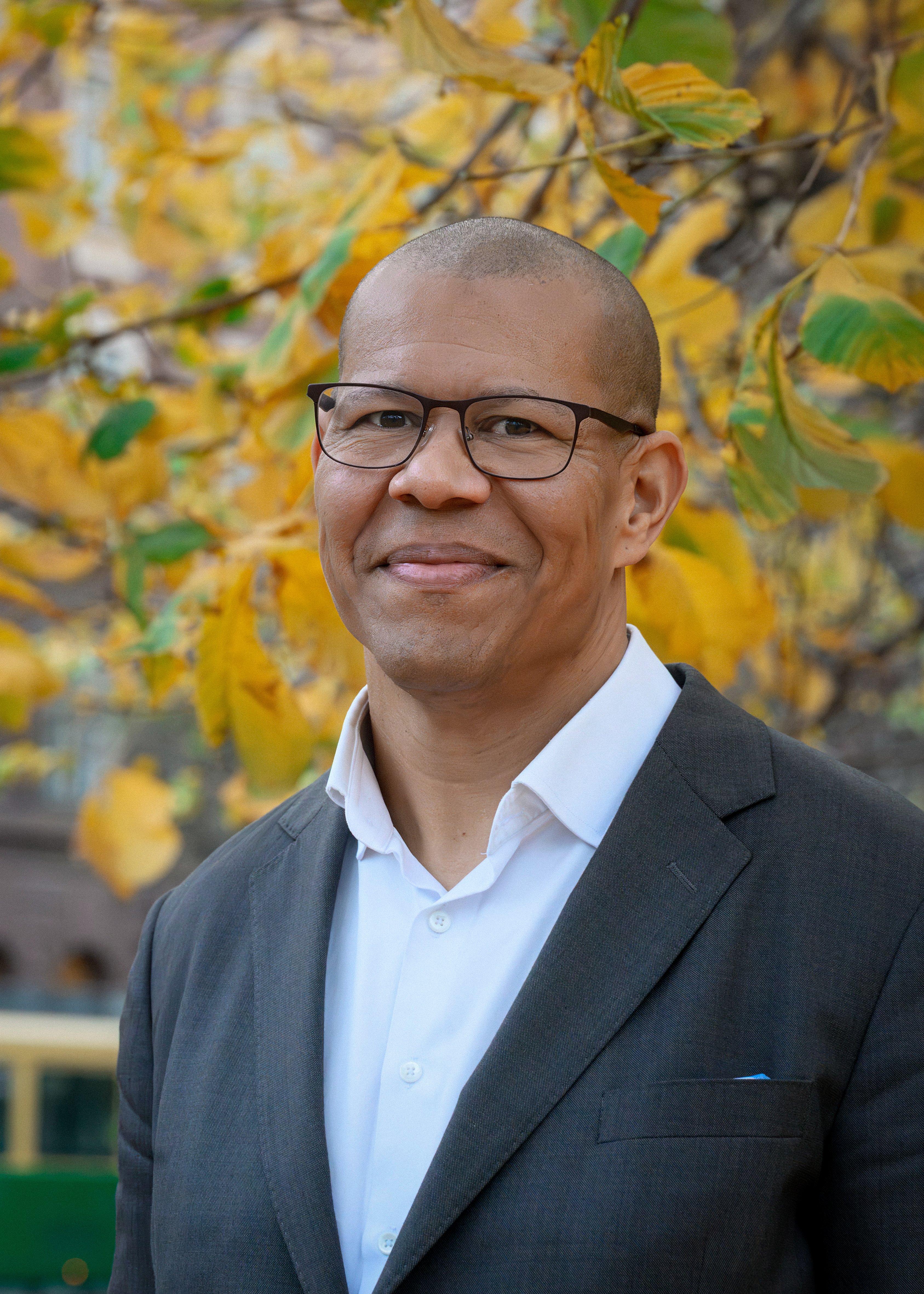
Evwaraye, who is now the CEO of the Solutions Fund Effekt, has a long career in safety. He worked for the Ministry of the Interior for 14 years in the safety field, handling themes related to everyday safety, discrimination, racism, hate crimes and violent extremism, among other things.
“Regardless of what the reality is, fears and worries guide our behaviour. They affect how we behave towards people on the street or online. Studies show that the people who are most prejudiced are those who have had the least contact with people from other backgrounds,” Evwaraye remarks.
Evwaraye points out that while the discourse often sees safety as being the same for everyone, studies show that this is not the case. According to statistics, women are more often victims of intimate partner violence, while men are more often victims of random acts of violence. Hate crimes are committed against those who experience racism and other minorities. Evwaraye notes, however, that we cannot make assumptions about someone’s sense of safety based on appearances alone.
Racism is a self-reinforcing phenomenon
Racism affects people’s sense of safety in many ways.
“It’s not always about big things, but rather about small, recurring assumptions. Even if the assumptions are not made with malice, they are a constant reminder that you are different from others.”
Evwaraye says that racism is a vicious problem because it is self-reinforcing.
“Some people are excluded from the labour market, for example, because of prejudice towards them. Then there are claims that people with an immigrant background can’t make it in working life because many of them are unemployed. This, in turn, reinforces the preconception that people with an immigrant background can’t make it in working life, even though this is at least partly due to structures that reinforce prejudice,” he sums up.
Racism creates a less safe society for all of us.
Evwaraye says that racism undermines both Finland’s security and competitiveness.
“Racism creates a less safe society for all of us. Preconceptions and racist structures reduce people’s chances of succeeding in school and in working life. At the same time, they can push people to the periphery of society. Social exclusion is also a major risk to safety.”
Evwaraye points out that racism also prevents us from realising everyone’s potential in working life.
“There is research data showing that diverse work communities are also more effective,” he adds.
Prejudices can be unlearned
Evwaraye remarks that racist behaviour often stems from people’s worries and prejudices.
“The best way to combat racism is to bring people from different backgrounds together. We all have prejudices. Personal growth is a constant process of unlearning prejudices. We’re not always right, and we need to be merciful to ourselves and each other.”
Evwaraye says that schools, for example, can address experiences of racism by challenging people to reflect on their own experiences of having been treated unfairly.
“I’m not a professional educator, but I believe that examining your own experiences can help you identify with the discrimination experienced by others,” he muses.
It is not always easy to intervene in racist behaviour. However, Evwaraye says that we can all show support and care for someone who is experiencing racism, and, by doing so, show that not everyone around them is prejudiced.
Another effective way to combat racism is to include people from all backgrounds in different communities as equal participants.
Evwaraye points out that the right to equal treatment is enshrined in the Constitution of Finland.
“Finnish and European values are based on respect for human rights. What does it make of us if we no longer uphold these values?”
Text: Matleena Merta
Images: Finnish Red Cross, Cata Portin/The Solutions Fund Effekt