Earthquakes

Earthquakes can cause significant damage, but damage can be mitigated through adequate preparation.
An earthquake is a tremor in which tension built up in the bedrock is suddenly released. Natural causes of an earthquake include the movement of tectonic plates, volcanic eruptions and rebound of depressions resulting from continental ice sheets. Most earthquakes occur in areas where tectonic plates meet.
While earthquakes can be predicted, it is impossible to determine their exact timing. A strong earthquake is often followed by aftershocks – hundreds in the worst cases.
The most severe damage comes from collapsing buildings, landslides and tsunamis caused by earthquakes occurring on the sea bed.
Strong earthquakes kill and injure a large number of people. Financial losses can also be great. The biggest material damage is caused by the collapse of buildings and infrastructure, such as roads, bridges and dams. Earthquakes can also result in fires when gas pipes and powerlines are damaged, as well as flooding when dams burst.
The Red Cross helps prepare for earthquakes
The Red Cross
- Helps local authorities and communities identify risk areas and strengthen the resilience of buildings against earthquakes.
- Supports the development of early warning systems so that information about earthquakes can reach everyone, including vulnerable individuals.
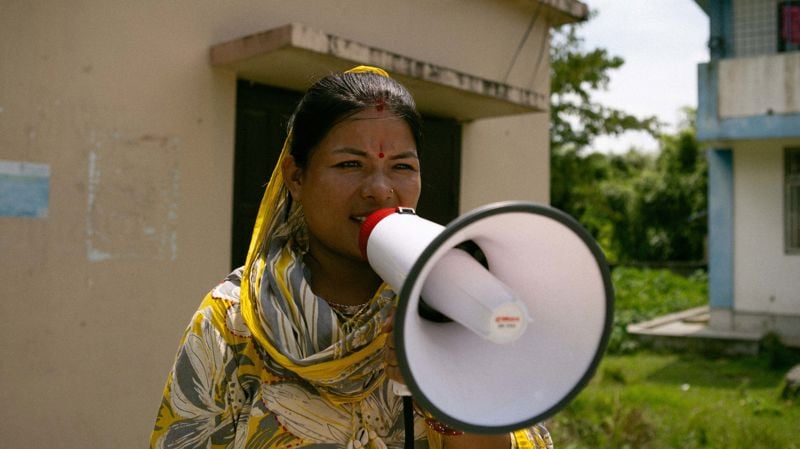
- Trains volunteers who practise evacuation procedures in communities.
- Trains volunteers and local people in providing first aid.
- Organises information campaigns and safety training in earthquake-prone areas for all, including vulnerable individuals, such as children and people with disabilities.
- Supports and improves the readiness of the local Red Cross or Red Crescent to operate in a disaster situation.
The Red Cross helps during an earthquake
The Red Cross
- Supports authorities by searching for and rescuing injured individuals, providing first aid and organising crisis assistance.
- Directs help to local operators through the international Red Cross, including money, supplies, temporary accommodation, clean water and lavatories.
- Provides healthcare and emotional support.
- Helps in locating family members and reuniting families.
- Helps with rebuilding after disasters.
Humanitarian aid