These results were achieved through development co-operation in 2025
Photo: Veera Lehto-Michaud / Suomen Punainen Risti
In 2025, development co-operation by the Finnish Red Cross helped people who were the most vulnerable in 15 countries by providing clean water, improving their health, and alleviating the effects of climate change, for example.
In 2025, our development co-operation helped 734,500 people in 15 countries, 11 of which were in Africa. Our work is carried out particularly in the least developed countries suffering from multiple crises, such as poverty, conflicts, and the effects of climate change. Our development cooperation focuses on disaster preparedness, alleviating the effects of climate change, the health of girls and women, and supporting local Red Cross societies. We carry out our work with support from the Ministry for Foreign Affairs of Finland and our donors.
1 From development co-operation to humanitarian aid
The strength of the Red Cross lies in combining humanitarian aid with development cooperation flexibly. When an earthquake struck Myanmar in 2025, the Myanmar Red Cross was able to quickly set up emergency operations centres and send volunteers to provide relief. Thanks to our support, those affected by the earthquake received shelter, clean water, food and other essential supplies, as well as cash assistance, among other things.
Photo: Swe Zin Myo Win / Punaisen Ristin ja Punaisen Puolikuun yhdistysten kansainvälinen liitto
2 We helped people prepare for climate change
In Phalelung, Nepal, schoolchildren gather in the school playground for an evacuation drill. Schools are important centres for advance warning expertise in Nepal. 16 schools strengthened their disaster preparedness with the help of youth groups. The young people participated in improving the schools’ safety plans, sharing information about risks, and practising evacuation situations.
Photo: Terjo Aaltonen / Suomen Punainen Risti
Jeniffer Elim Ngitira shows where the floodwaters from the river reached the village of Turkana in Kenya in 2025. The village was hit by a flash flood only two days previously. With our support, the Red Crosses of Kenya and Tanzania are developing local-level advance warning systems and ways to utilise meteorological data better than before. The communities are, therefore, able to prepare for extreme weather phenomena better and faster than before.
Photo: Aki Kolehmainen / Suomen Punainen Risti
Dimitri Rugerinyange, 33, from Burundi, planted fruit tree saplings grown by volunteers of the Burundian Red Cross on his land. More than 33,000 Burundians participated in work to combat erosion and flooding last year. They dug ditches in the countryside, built embankments on the slopes and planted trees. These structures help villages to protect themselves from extreme weather phenomena strengthened by climate change, such as floods.
Photo: Veera Lehto-Michaud / Suomen Punainen Risti
3 We improved access to clean drinking water
Ayesha Kelil, from Ethiopia, came to fetch water from the new water station. In Ethiopia, the construction of the small Gel’atu dam is providing 15,600 households with access to water. The water can also be used as drinking water for livestock and for farming. More than 300 households, a school, and a health station also received their own water stations thanks to the water systems running on solar power.
Photo: Etiopian Punainen Risti
In Afghanistan, the Afghan Red Crescent built accessible toilets and hand-washing facilities, solar-powered wells, and septic tanks in seven schools. The pupils learn about menstrual hygiene and health at the school clubs. 3,400 pupils benefited from the results of the work.
Photo: Punaisen Ristin ja Punaisen Puolikuun yhdistysten kansainvälinen liitto
4 The health of girls and women was improved in many countries
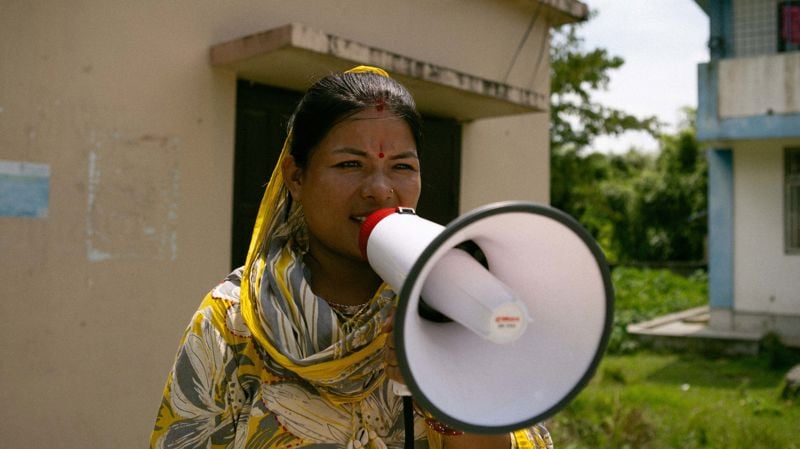
Volunteers in Burkina Faso spoke to the community about sexual and reproductive health. In 2025, volunteers organised over 2,000 information sessions across the country, at which more than 26,000 people learned about topics including family planning, health during pregnancy and after childbirth, and vaccinations.
Photo: Burkina Fason Punainen Risti
A volunteer trained by the Niger Red Cross is talking about sexual and reproductive health in the community. In addition, two radio stations broadcast information sessions on nutrition and reproductive health, reaching an average of 166,000 listeners per month.
Photo: Nigerin Punainen Risti
Burundi Red Cross volunteers Bosco Nkeshimana (left) and Adelphine Hatungimana (right) keep a child entertained while weighing him. Volunteers in the Burundi Red Cross measure all the children in their community. Last year, nearly 38,000 children were measured. Children suffering from mild malnutrition are referred to nutrition centres, where they are weighed and given extra food, and their parents are taught how to provide their children with a varied diet. All of the more than 2,200 children treated at the centres gained weight during the two-week intensive treatment period.
Photo: Veera Lehto-Michaud / Suomen Punainen Risti
5 A safer operating environment for the Red Cross
Abdisalaam, an employee of the Somali Red Crescent, asks Sadiya Ulusow for information for the purpose of family reunification in Somalia. Red Cross and Red Crescent staff and volunteers are working in dangerous operational environments in many countries. With the support of the Finnish Red Cross, the national societies of such countries promote awareness of the neutrality of the Red Cross and Red Crescent.[PU1.1] In Somalia, for example, the role of the Somali Red Crescent has been communicated actively, while increasing the visibility and recognisability of its logo.
Photo: Mohamed Bishaar / Somalian Punainen Puolikuu