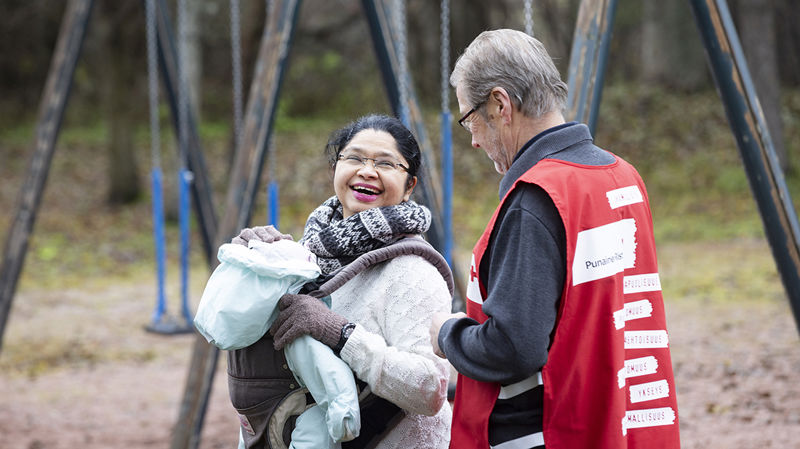
The community-sponsored integration project increased the participants’ opportunities of becoming involved and their social contacts
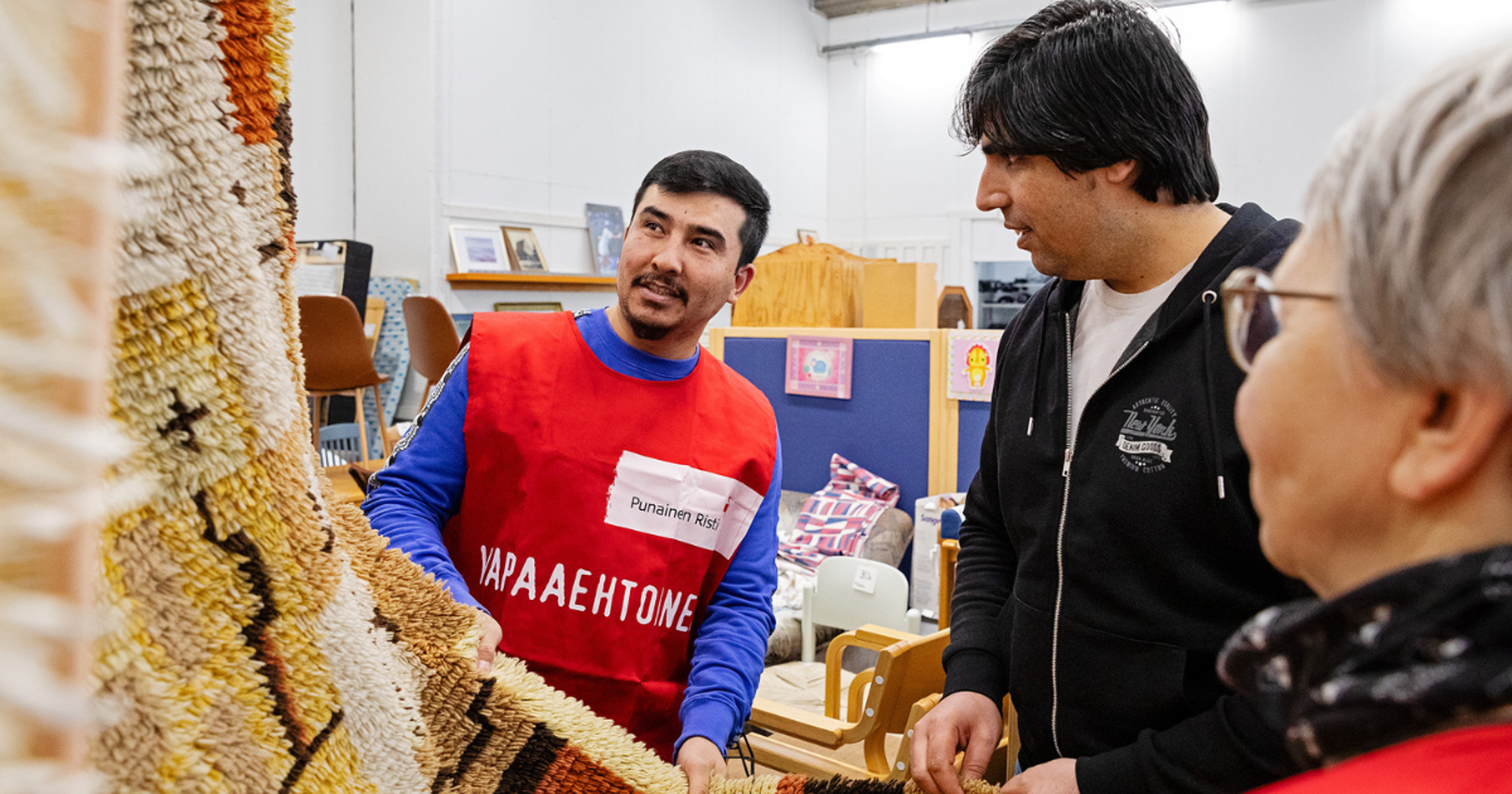
The pilot project on community-sponsored integration (2023–2025) supported the integration of people who had arrived in Finland as quota refugees. The project was implemented by the Finnish Red Cross, HUMAK and the Church Council.
The aim was to help people integrating into society find communities that were meaningful to them, allowing them to settle in to their municipality. Local community sponsors familiar with the area worked together with the participants.
The experiences of community-sponsored activities gained during the project were positive. Local communities grew stronger and started to work together more closely. The participants integrating in the area learned about the communities with the support of community sponsors and other volunteers. The project succeeded in increasing the equality of the activities and their joint planning by the sponsors and the participants on an equal footing.
The community-sponsored integration project in figures
- The project was carried out in 14 municipalities
- Local activities designed to support integration and strengthen communities were implemented and developed in all the project locations.
- New opportunities opened up for people integrating into society, and their social contacts increased significantly, particularly through the efforts of local meeting cafés and other low-threshold spaces.
- A significant proportion of the activities that were launched are still continuing in the municipalities with the support of the Red Cross and local networks.
- A total of 414 quota refugees took part in the activities
- ‘How are you doing?’ discussions were launched to gather the target group’s thoughts and wishes, and these discussions provided insight into the daily lives of quota refugees and the challenges they face. This information helped the networks to adapt their activities in line with the wishes expressed and make their traditional activities more equitable.
- Based on the summaries of the ‘How are you doing?’ discussions and the interviews conducted, those integrating into society made new contacts and friends and learnt about the opportunities available in their new municipality. Their sense of inclusion increased. Many started volunteering themselves, for example in the meeting cafés.
- A total of 166 community sponsors participated in the activities
- The community sponsors provided guidance on getting to know the local communities and helped those integrating into the area to discover their own interests. The sponsor operations will continue in different localities and be partially merged with other guided volunteer activities.
- Nearly 200 local stakeholders took part in the project activities
- The stakeholders included organisations, parishes, other communities and public authorities.
- The pilot project supported the development of cooperation between local networks, e.g. through the workshops of the integration platform for organisations. It reinforced and encouraged the launch of grassroots initiatives in an inclusive manner, in collaboration with the people going through integration. The networks are continuing their operations after the project has come to an end.
- The project’s best practices and outputs were presented to nearly 1,700 integration experts during the project’s instilling phase.
Project results
- Community-sponsored integration activities provided new, fresh approaches to the planning and implementation of volunteer activities carried out locally with people going through the integration process.
- The sense of inclusion and belonging increased among the participants. New ways of engaging with communities and activities were discovered.
- Cooperation between municipalities, NGOs, parishes and other communities gained momentum, activities became more diverse, and the networks came to understand the benefits of working together
- Changes in the operational environment and the reduced resources of civil society heightened concerns. Understanding of how vital local, welcoming and inclusive atmosphere and activities are to integration grew further during the course of the project.
The Finnish Red Cross was the lead organisation for the pilot project on community-sponsored integration. The project was carried out in collaboration with the Southeast Finland, Western Finland, Oulu and Southwest Finland districts of the Red Cross, as well as the Church Council and HUMAK University of Applied Sciences.
The pilot project ran from 1 January 2023 to 31 December 2025. A warm thank you to all the participants! Find out more about the operations here.
The community-sponsored integration pilot project was an AMIF-funded project that received co-funding from the European Commission. The Ministry of Economic Affairs and Employment of Finland also contributed to the national funding.